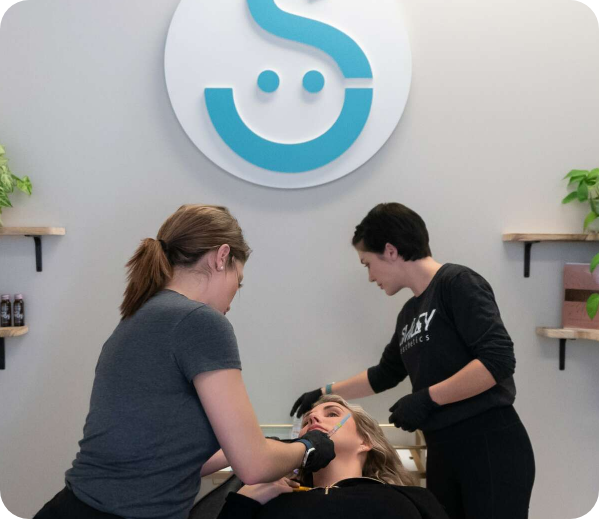
Dr. Carla Pierson, DNP, MBA, MSN, BSN, Smiley Aesthetics

Dr. Carla Pierson, DNP, MBA, MSN, BSN, is a nursing leader, healthcare strategist, and aesthetic business educator with more than 14 years of experience. A former clinical nursing director with HCA Healthcare, she specializes in practice operations, compliance, leadership development, and sustainable business growth. Based in Nashville, Tennessee, Carla is a published author, national speaker, and faculty member for leading industry events, including Aesthetic Next and The Medical Spa Show. She is passionate about empowering nurses and practice owners to build ethical, resilient, and successful businesses in the evolving aesthetics industry.
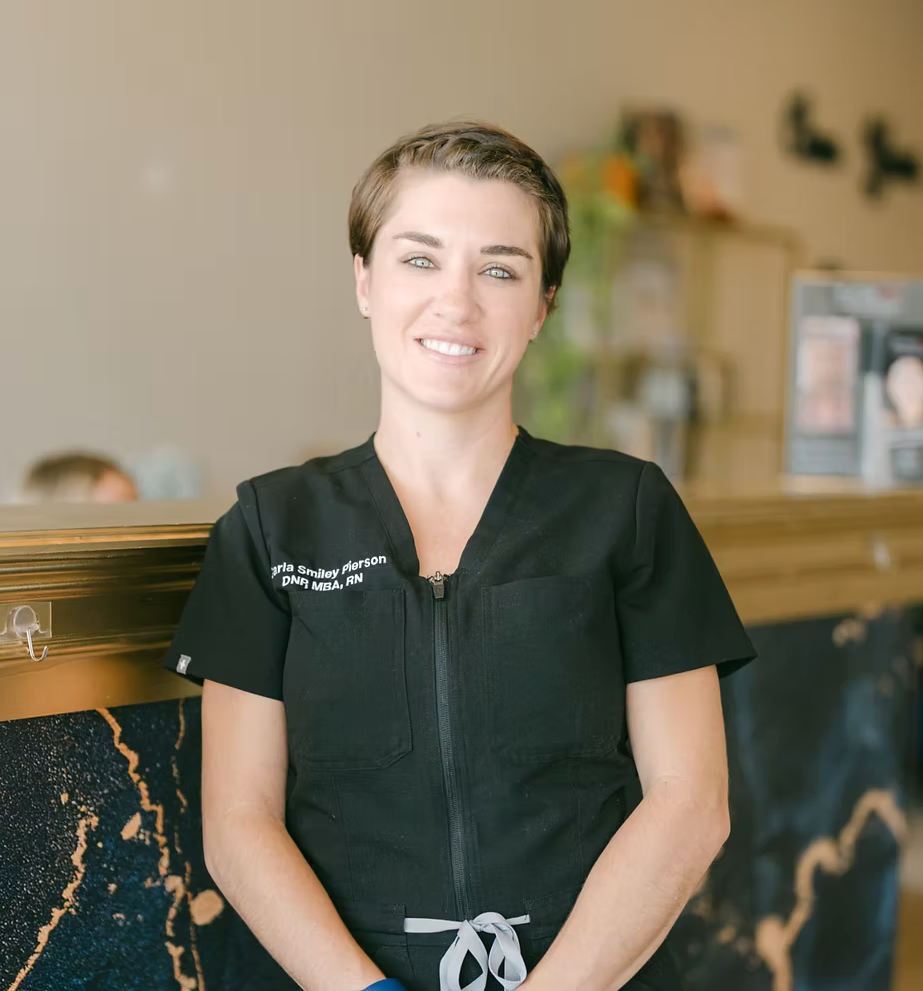
Dr. Carla Pierson, DNP, MBA, MSN, BSN, Smiley Aesthetics

Your practice has faced one of the most challenging periods a business owner can experience, and you've chosen to navigate it publicly. Before we discuss the specifics, what led you to share your journey so openly, and what do you hope other practice owners take away from your experience?

Medical aesthetics attracts a lot of nurses, nurse practitioners, and doctors who have zero business education or financial knowledge because we're never taught it in school. Nursing is basically trade school—designed to funnel people into hospital work or corporate employment under physicians.

But nurses have the personality, skill set, and clinical capability to build businesses and scale. The problem is nobody teaches them business. I feel it's critical to educate this space because I believe many medical spas will fail due to predatory industry practices that exploit the lack of awareness among nurses and medical professionals starting these practices.

I also want to help as many people as possible learn finance and business so they have a real shot at success.

For readers who may not fully understand it, can you explain what Chapter 11 actually means from a business owner's perspective?

Chapter 11 is a debt restructuring program through the federal government. When you file, all your debt goes into a bankruptcy plan. Your attorney works with your creditors—under the oversight of a US Trustee and the bankruptcy court—to determine how much you can realistically pay back, what's secured, what's unsecured, and what claims may be overstated. The moment you file, there's an automatic stay—you stop making payments on that debt while you figure out and restructure it.

It can be a really useful financial strategic tool when you get upside down on debt. The key question is: can you afford your operations, inventory, and everything else on a month-to-month cash basis if the debt burden wasn't crushing you? If the answer is yes, Chapter 11 might be the right move.

What ultimately led your practice to this point, and looking back, were there any early warning signs other owners should pay closer attention to?

There are so many decisions over time that lead to where we are now. We had a construction project that's been a disaster—a huge drag on cash flow. It was supposed to be a revenue-producing asset and should have been completed almost a year ago. The construction industry is brutal when the general contracting system is broken.

Beyond that: overpaid salaries, lower revenue projections than we forecasted, money poured into predatory equipment financing because banks won't lend to young businesses but you need those machines to operate, and spending from companies that promised the world but delivered nothing. Bad contracts, bad hires, bad partnerships. It's hard to pinpoint one thing. It's the accumulation.

How have peers, industry partners, vendors, or even patients shown up for you during this time? Were there any surprises, positive or difficult?

The response has been unbelievable. Yes, there were a couple of speed bumps and a few angry people, but overall the support has been amazing. A lot of congratulations, actually—because if you understand Chapter 11 and get to the point where you can actually file it, that means you've done things right. You're working on a cash basis, you're not making stupid moves, you've become lean, you and your team are grinding hard. That takes courage.

Vendors, employees, and partners have all reached out saying, "Let us know if we need anything." It's been a pleasure working with everyone. Not perfect, but honestly, I expected it to be a lot harder.

What have you learned most about leadership, business ownership, and yourself through this experience?

I had no idea what Chapter 11 was until about a month before we filed. My EO group (Entrepreneurs' Organization) here in Nashville was pivotal—I can't recommend EO enough. They and close friends helped me educate myself quickly on the pathway forward.

The real lesson: when you have mentors and friends who know things you don't, and you're willing to learn what you don't know, everything shifts. I know I don't know everything, but that solid pathway was right in front of me. I would have easily missed it because if someone had said "bankruptcy," I would have told them they were crazy. That's how little I understood the tools available to me.

In an industry that often celebrates growth and outward success, do you think there's enough honest conversation around financial pressure, burnout, or operational strain?

Absolutely not. I've been told my content might come across as negative—I really don't care. It's not negative. It's the truth.

In our industry, we're built on smiling and putting on a pretty face. Unfortunately, the surface is also fake. Some of the biggest names in medical aesthetics are struggling, underwater on cash, not doing what they say they're doing. But Instagram makes it look like everybody's making a fortune. I haven't found a single person yet who's truly thriving and not dealing with normal business struggles.

I'm trying to open the door for people to talk about the real stuff without worrying what someone on social media thinks. Work on your business.

What practical advice would you give other clinic owners to help them avoid finding themselves in a similar situation?

Educate yourself. Don't listen to reps who scare you into spending thousands on things you don't need. Don't listen to attorneys making you feel like you'll lose your license if you breathe wrong.

Don't buy big expensive machines with predatory financing. You can hustle, use AI, and build organically without massive upfront spend. Don't let shiny diamonds distract you. Get good at your skill and stick with what you know. There is money to be made—anyone who says otherwise is lying.

Seek help from someone who knows medical aesthetics specifically. "Business consultant" is a fancy term for a lot of people who know nothing about this industry. Each vertical is unique. Find someone reasonable—not someone charging $5,000 a month while pumping out stock templates to 25 clients.

The worse the industry gets financially, the more predators come out. Be suspicious.

As you look ahead, how do you think this experience will shape the next chapter of your business and the way you approach growth moving forward?

It's already shaped us immensely. We're implementing better EMR systems, smarter AI integration, and being ruthless about every dollar spent. My cofounder Mary and I aren't assuming ROI—we're thinking through each decision carefully until we have consistent cash reserves growing.

There's no decision that should be taken lightly. We're not assuming growth. We're assuming the worst, assuming we might go backwards. It's not negative thinking—it's conservative thinking.

What are you looking forward to with Smiley Aesthetics?

What are you looking forward to with Smiley Aesthetics?

We've streamlined, restructured, and we're finalizing our plan. We've revamped internal processes to help our independent providers grow more easily. We're leaning into AI across the board and teaching our providers how to use it to grow without massive capital spend.

AI is the future. It's scary in some ways, but I don't think it's close to replacing an injector anytime soon. So I'm going to lean into the tools that multiply what we can do. My real goal is helping as many medical aesthetic business owners as possible become successful instead of becoming another casualty of an industry designed to exploit them.