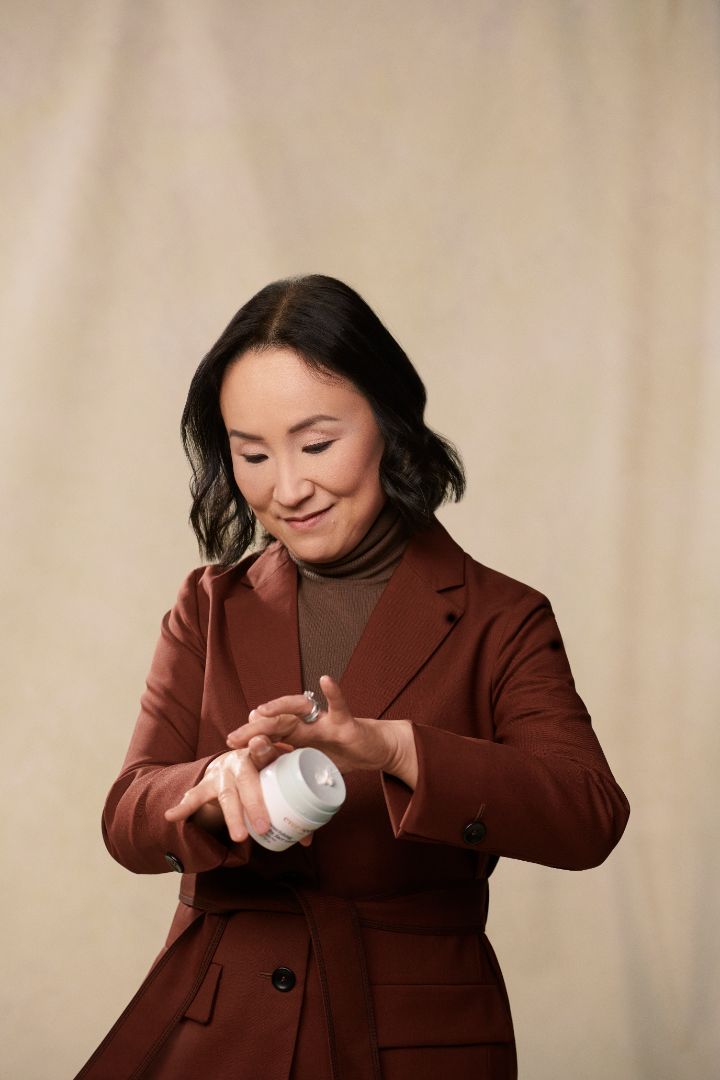
In Practice: Joyce Teng, MD, PhD, Professor of Dermatology and, by courtesy, of Pediatrics, Stanford University

Joyce Teng, MD, PhD is a professor in dermatology at Stanford University. She is affiliated with multiple hospitals in the area, including Lucile Salter Packard Children's Hospital (LPCH) at Stanford and Stanford Hospital and Clinics (SHC). She received her medical degree from Vanderbilt University School of Medicine and has been in practice for more than 12 years. She is one of the 6 pediatric dermatologists practicing at LPCH and one of 72 at SHC who specialize in Dermatology. She sees patients with rare genetic disorders, birthmarks, vascular anomalies and a variety of inflammatory skin diseases. She is also an experienced pediatric dermatological surgeon. Her research interests are drug discovery and novel therapy for skin disorders.
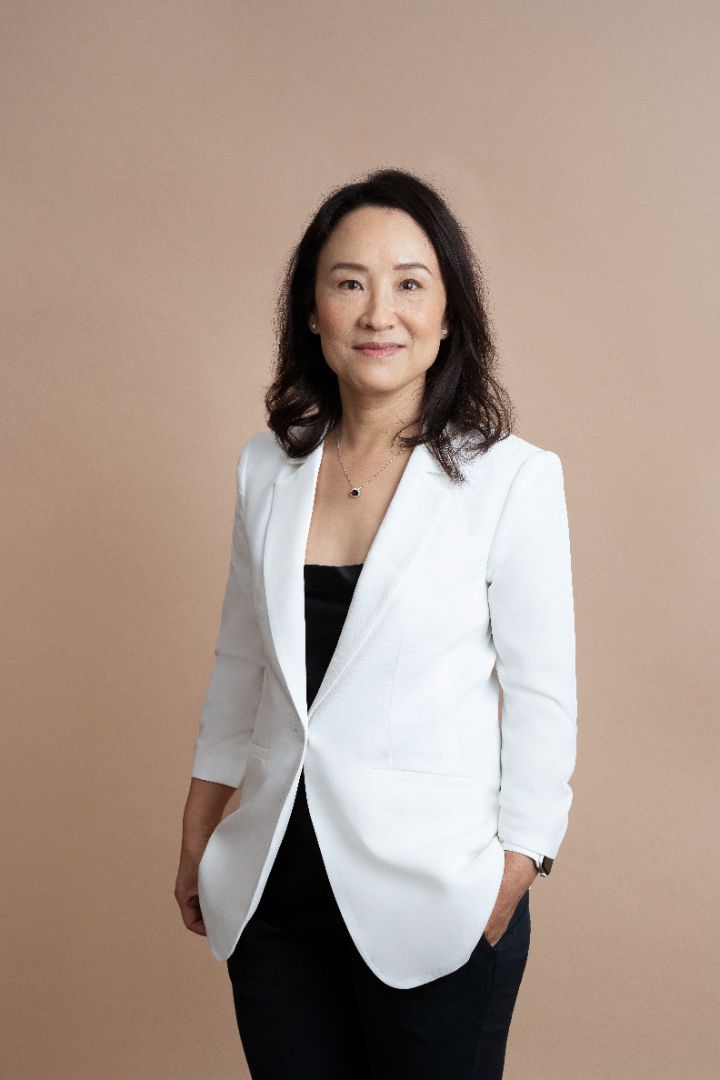
In Practice: Joyce Teng, MD, PhD, Head of Pediatric Dermatology, Stanford University
How did you become involved with Evereden, and what did you feel was missing from the youth skincare category?

How did you become involved with Evereden, and what did you feel was missing from the youth skincare category?

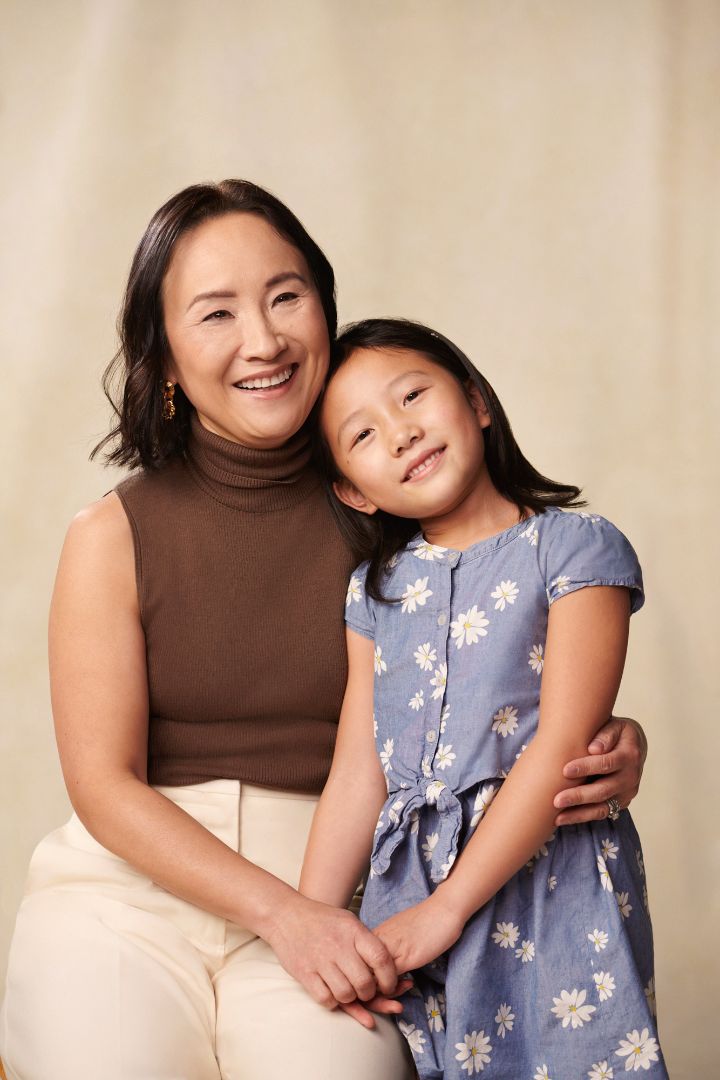
What drew me to Evereden was the opportunity to create the kind of skincare I had wanted as both a dermatologist and a mother. My daughter had severe eczema when she was young, and I remember feeling helpless because so many products were either too harsh or simply didn’t work. At Evereden, we believe that families shouldn’t have to choose between safety and efficacy.

Today’s patients are incredibly sophisticated. They evaluate not only surgical results, but also consultation quality, communication, recovery support, responsiveness, and reputation. When a practice creates an outstanding patient experience from the first inquiry through long-term follow-up, referrals become organic and significantly more valuable than any paid advertising campaign.

Ultimately, reputation compounds. Exceptional outcomes, consistent patient care, and operational excellence remain the strongest growth engines in aesthetic medicine.

How has being a mother influenced your approach to dermatology and skincare?

It made everything much more personal. As physicians, we understand ingredients and clinical data, but as mothers, we also understand what it feels like to worry about what you’re putting on your child every day. It’s why I tend to hold children’s products to an even higher standard: they need to be gentle, safe, effective, and appropriate for developing skin.

How has youth skincare changed since you were a teenager?

It has changed tremendously. When I was a teenager, skincare was relatively simple — cleanser, moisturizer, maybe acne treatment. Today, children are exposed to sophisticated routines and adult-strength products at a much younger age, often through social media. The positive side is that they’re more interested in taking care of their skin; the challenge is teaching them what their skin actually needs.

What do you wish you had access to when you were a teenager?

Better education. I wish someone had explained that healthy skin isn’t about having the longest routine or correcting every imperfection. It’s about protecting your skin barrier, wearing sunscreen, being gentle with your skin, and developing habits you can maintain for life.

What are you seeing in young patients today that you didn’t see earlier in your career?

I’m seeing children become skincare consumers much earlier. They know ingredient names, follow beauty trends and arrive asking about products they’ve seen online. I’m also seeing more irritation and compromised skin barriers from children experimenting with products that simply weren’t formulated for their age. Which is why I always encourage parents to use Evereden, as it’s made especially for them with dermatological science.

What concerns you most about social media’s influence on youth skincare?

Social media can make children believe that normal skin needs to be “fixed.” Pores, texture, an occasional breakout — these are normal. My concern is when skincare shifts from healthy self-care into anxiety or when children start using increasingly aggressive products because they believe more is better.

Are there particular ingredients, trends, or skincare practices you’re seeing young patients gravitate toward that concern you?

The biggest concern is the premature use of strong adult actives — particularly aggressive exfoliating acids, retinoids, peels, or combinations of multiple active ingredients without a medical reason. Young skin generally doesn’t need that level of intervention. Overdoing it can disrupt the skin barrier and create irritation that wasn’t there to begin with.

Why should professional practices be thinking about younger patients and establishing healthy skincare habits early?

Because prevention is much easier than correction. The habits children establish around cleansing, moisturizing and sun protection can influence their skin health for decades. This is also an opportunity for dermatologists to become a trusted source before children start getting their skincare education primarily from social media.

What lessons do you find yourself repeatedly sharing with young patients and their parents?

Keep it simple. Cleanse gently, moisturize, protect your skin from the sun, and treat specific conditions when there’s actually something to treat. More products do not necessarily mean healthier skin — and with children especially, sometimes less really is more.

What does healthy skincare education look like for a young person?

It should give children knowledge without giving them something new to worry about. I want young people to understand what their skin does for them, how to protect their skin barrier, why sunscreen matters and how to recognize when something is irritating their skin. Skincare should feel like taking care of yourself, not trying to correct yourself.

If you could give your teenage self one piece of skincare advice, what would it be?

Wear sunscreen every day — and be kinder to your skin. You don’t need to chase perfection. Protect it, nourish it, and give it time.

Editorial image