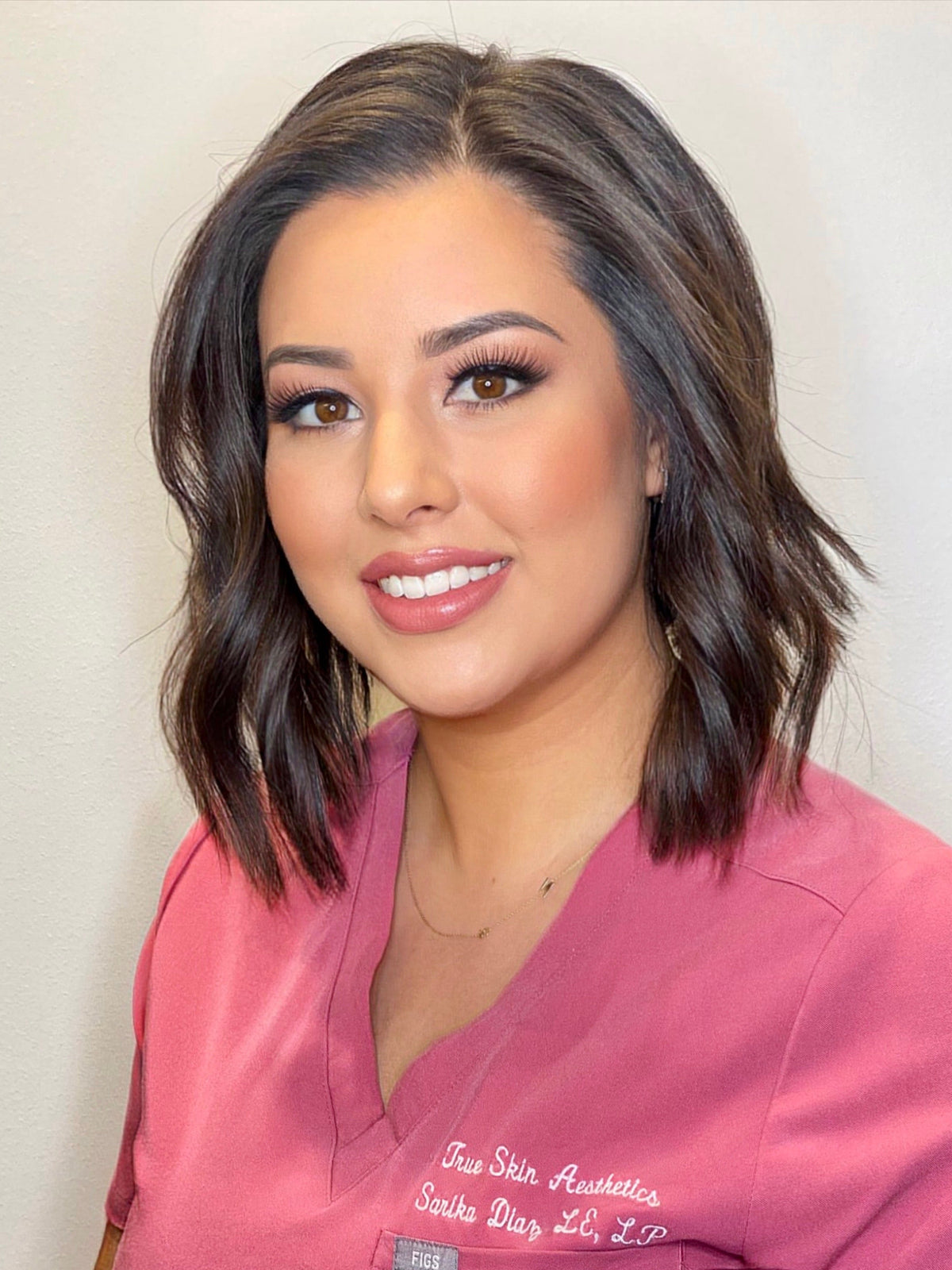
In Practice: Sarika Diaz, True Skin Aesthetics


I spend the most time thinking about outcomes and the path it takes to get there safely. Aesthetics can look instant online, but real skin doesn't work like that. I'm constantly assessing: What's driving this concern? What's the safest way to correct it? How will this skin heal?
And because I treat a lot of skin of color, I'm always thinking in layers: inflammation, barrier integrity, pigment response, and long-term maintenance. Beautiful results are great. Predictable, safe, healthy results are the goal.


Scaling wasn't just about adding rooms - it was about protecting quality while expanding. The biggest decisions were:
1) Hiring a strong admin: This honestly changed my workload dramatically. Having someone who can manage phones, texts, emails, scheduling, and invoicing allows me to stay locked in on what I do best: client care, safety, and outcomes.
2) Being intentional about what I added to the menu: I introduced DiamondGlow, plus INVO exosomes (booster + serum). I love options that elevate results without overcomplicating the plan — and these pair beautifully with treatments like MOXI and microneedling. It's about choosing add-ons that make clinical sense, not just trendy sense.
3) Putting my methods on paper: I took the time to build out SOPs so my technique and client experience can actually be taught — not just "picked up." This matters even more now that I'm training a new hire esthetician. Consistency is brand. Consistency is safety. And it's the only way to scale without lowering the standard.
At the end of the day, growth is exciting, but my priority stays the same: the safest care and the highest quality results.
Integrating VISIA skin analysis into my consultations has been a game-changer. I've always believed education builds trust, but VISIA lets me show clients what I'm seeing with photographic evidence instead of expecting them to take my word for it.
It's been especially powerful with new clients. When someone can see what's happening under the surface — pigmentation patterns, sun damage, congestion, texture — they understand my recommendations faster and with way more confidence. It turns the consultation into a collaborative plan, not a sales pitch. And the trust that this builds is everything.
Inflammation is misunderstood and it's usually the primary driver behind so many of the conditions people are trying to "treat" directly. Hyperpigmentation, acne, rosacea… a lot of the time the skin is simply inflamed, reactive, and struggling to regulate itself.
When we focus on calming and repairing the skin - strengthening the barrier, reducing triggers, and choosing the right treatments at the right pace - many of those issues improve dramatically.
And this is where routines get overcomplicated. I'm very into "skin-a-minimalism": less is more. Not less effort, less clutter. The best routine is usually the simplest one as long as it's built around the right formulas with the highest impact.

My baseline routine is simple:
I'm also big on multitaskers: high-impact products that do more than one job well. Some of my staples are:
Treatment-wise, I focus on controlled, corrective work that improves skin quality without overwhelming it. MOXI gentle laser resurfacing is a staple for that — gentle, safe for all skin types, and great for texture, pores, and hyperpigmentation with manageable downtime.

For me, it comes down to performance and practicality. There are plenty of products I know about that sound impressive, but I use products that consistently deliver results without triggering irritation, inflammation or sensitivity; because that's where outcomes get compromised.
I'm also big on what I call my "Swiss Army knife" products: smart formulations that do more than one job well. I'm very into "skin-a-minimalism," so I'd rather a client have fewer steps with higher-impact formulas than a 12-step routine they can't maintain. The products I use are the ones that make it easier for clients to stay consistent while still getting real change in their skin.

The future is regenerative because the "obvious" look is on its way out. Clients don't want to look fake or altered, they want to look rested, healthy, and like themselves. I'm paying closest attention to treatments that activate the body's natural healing response - rebuilding collagen, improving skin function, helping the skin recover smarter, so we're not just changing how someone looks, we're improving how their skin behaves.
It's less "do more," and more biohack the skin into acting younger in a way that's natural, refined, and clinically smart.