In Practice: Dr. Julia Langford, Tay Medispa and Face Dr

Dr. Julia Langford is a Scotland-based Clinical Director and Aesthetics Doctor with over two decades of experience. As the owner and Medical Director of Tay Medispa and Face Dr, she is recognized for her refined, natural approach to aesthetic medicine and commitment to intelligent, sustained skin health.
· 5m Read
In Practice: Dr. Julia Langford, Tay Medispa and Face Dr

How would you describe your approach to creating treatment plans for today’s aesthetic patient?

My approach is rooted in my background as a General Practitioner, so I tend to start with a wide holistic lens. Rather than focusing purely on a single concern, I look at the client’s overall health, skin health, lifestyle, and long-term goals.

I see treatment planning as a spectrum rather than a single solution, so I take people through a consultation which encompasses a range of treatments tackling all skin layers and modalities. This ranges from active skincare and medical facials through to device-based treatments and injectables. I have also found the addition of oral skin supplements perfectly closes the loop fully from inside to out. In taking this approach, I find clients are then drawn to some specific options depending on their personal preferences, and we build from there.

I like to start with a few small impactful treatments, assess and review, and then build an annual treatment plan from there.

Your approach is highly customized and consultation-driven. How do you maintain clinical rigor and personalization at scale in an online environment?

Scaling personalisation was one of the biggest challenges, but also one of the most exciting opportunities.

For me, it comes down to building systems that don’t compromise on clinical thinking. Every client journey still starts with a consultation with our Skin Experts. A tailored regime is then created, and we built technology to support the client account function. For example, it automates the correct layering order of products.

We’ve also invested heavily in staff training, ensuring that every recommendation reflects the same standard I would deliver in clinic. Technology supports the process, but it doesn’t replace clinical judgement, it enhances it. Even at scale, every client should feel that their plan has been designed specifically for them. I continue to provide all the clinical supervision for our team, and their clients, despite the growth we have seen.

During COVID, you pivoted into a consultative e-commerce model. What prompted that shift, and what were the key decisions that made it successful?

When in-clinic treatments paused, I still had clients who needed support with their skin but couldn’t access medical grade products which, at that time, were only available in clinics. I was also pregnant and so had an enforced early maternity leave! We started to look at how to deliver our skin consultations remotely and received special dispensation from our key skincare brands to do so. That’s what led to the development of myfacedr.com, not as a traditional e-commerce platform, but as a consultation-led online clinic. The consultation remains front and centre.

The key decision was to prioritise clinical integrity over convenience. We didn’t just “sell products”; we replicated the consultation process online, ensuring clients received tailored recommendations rather than generic routines.

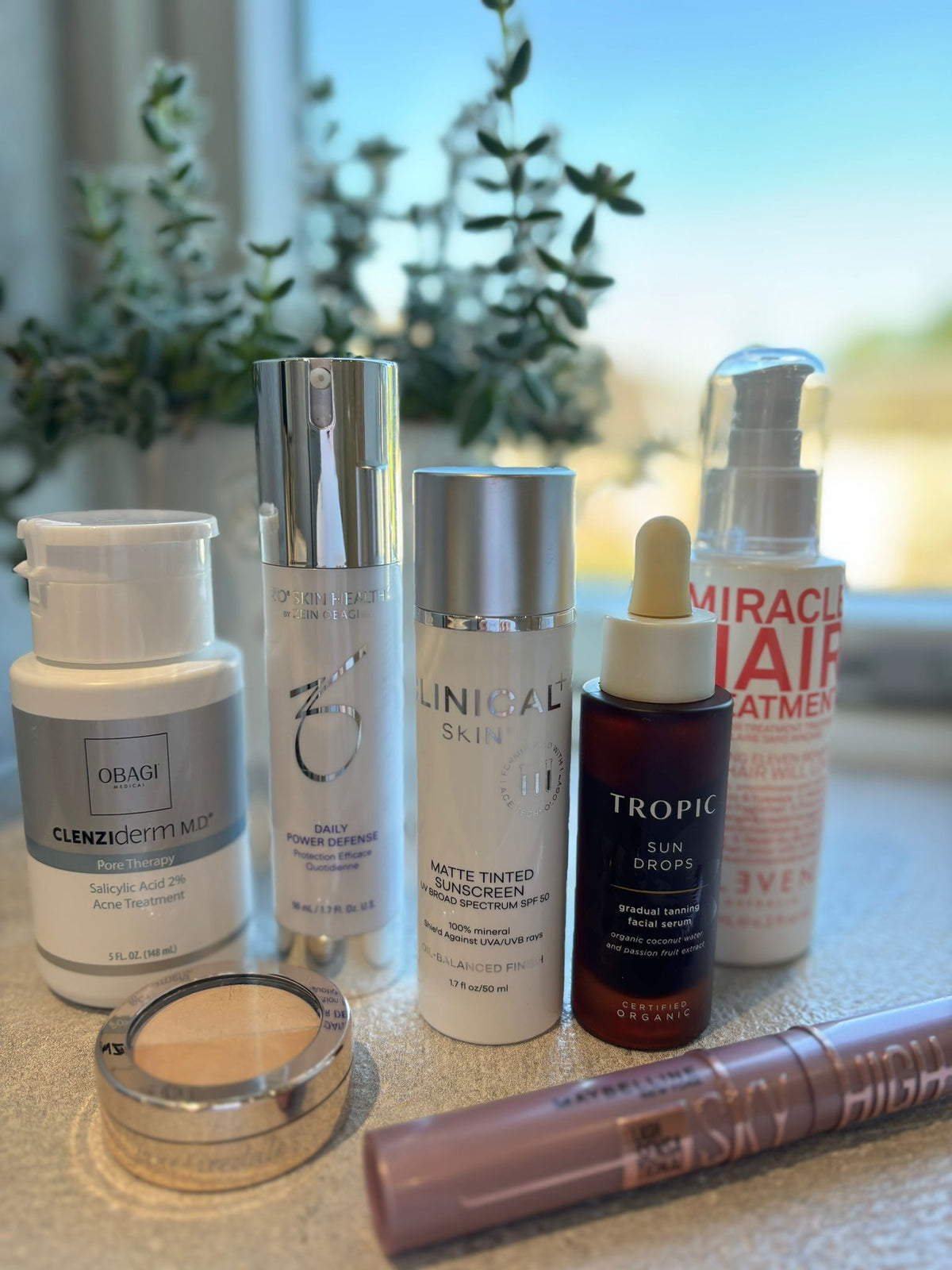
Another important factor was curation. By focusing on a tightly edited range of results-focused brands like ZO Skin Health and Obagi, we maintained trust and avoided overwhelming clients with choice.

How do you balance your in-clinic treatments with your online platform to ensure they complement rather than compete with each other?

The two elements have always naturally worked well together. They serve different functions, and we refer freely across both, depending on the client need.

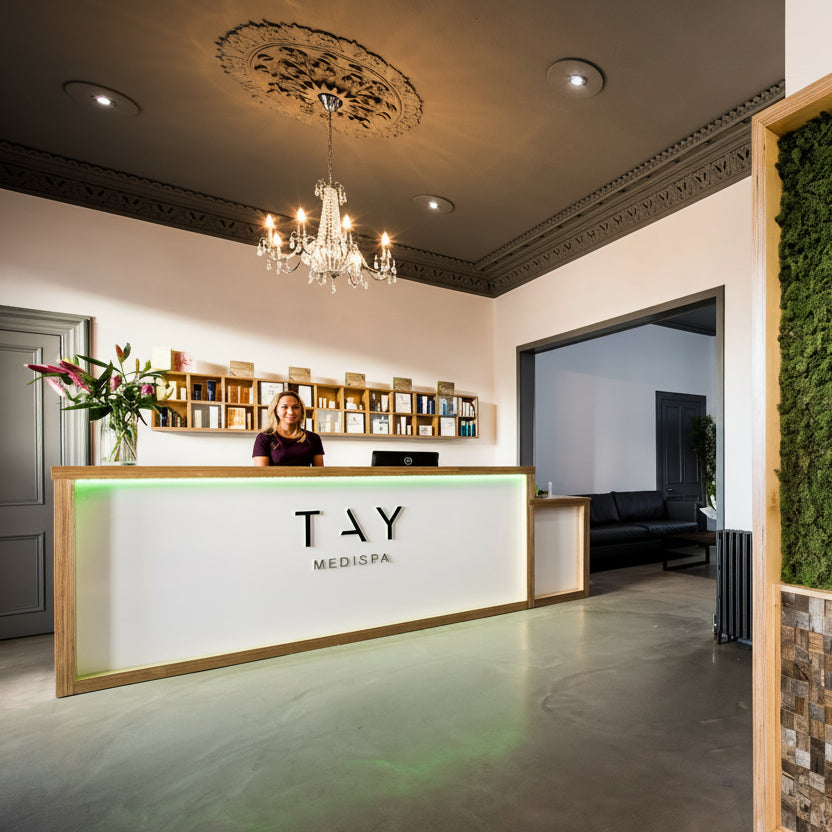
Our clinic allows for hands-on examinations, treatments, and deeper diagnostic work for local people, who then take advantage of the online system for convenience of re-ordering their skincare. The online platform provides access to a focused skin consultation for people further afield. Our ongoing support is also free, so people benefit from the continuity we can offer and the relationship we can build with them for the duration of their skincare journey.

You’ve built a tightly curated product offering. What criteria do you use to decide which brands or products to include?

You’ve built a tightly curated product offering. What criteria do you use to decide which brands or products to include?

Our brand curation is very intentional. Our key criteria are that brands be evidence-based with formulation quality, and they must deliver on results.

We have found great success with brands such as ZO Skin Health and Obagi. They offer structured regimes that can be built upon over time, and adjusted according to seasonal or skin change, allowing us to truly transform the skin over time. Then we added in brands and products that offer something different to that, to cater for more people. For example, those from which we can select a “plug-in product” to elevate a regime, plus pregnancy-safe options and compact regime options.

For practices looking to evolve, what advice would you give on building a more seamless, consultative, and omnichannel patient experience?

For practices looking to evolve, what advice would you give on building a more seamless, consultative, and omnichannel patient experience?

The consultation remains our foundation but shouldn't create a barrier. We have certainly found challenges in maintaining that model whilst trying to reach a wider market and scale the business. So, we have evolved the website over time, to give options for direct purchase as well as the creation of a bespoke regime through consultation. This has helped us stay true to our clinic roots and yet be able to compete in an e.comm environment.

We aim to think about the client journey as a whole, rather than separating “online” and “in-clinic” experiences. The most successful practices are those that create continuity across every touchpoint.

Editorial image