What has most shaped how you think about skin today?
My perspective has been shaped by the intersection of clinical dermatology and real-world patient outcomes over time. Over decades of practice, I’ve come to see skin as a dynamic, living system that responds to cumulative stress, inflammation, and environmental exposure. Skin remembers everything. So today, I think in terms of preservation, resilience, and long-term function just as much as I do about visible improvement.
When you look at the industry today, what did you feel was missing that led to Linder Health?
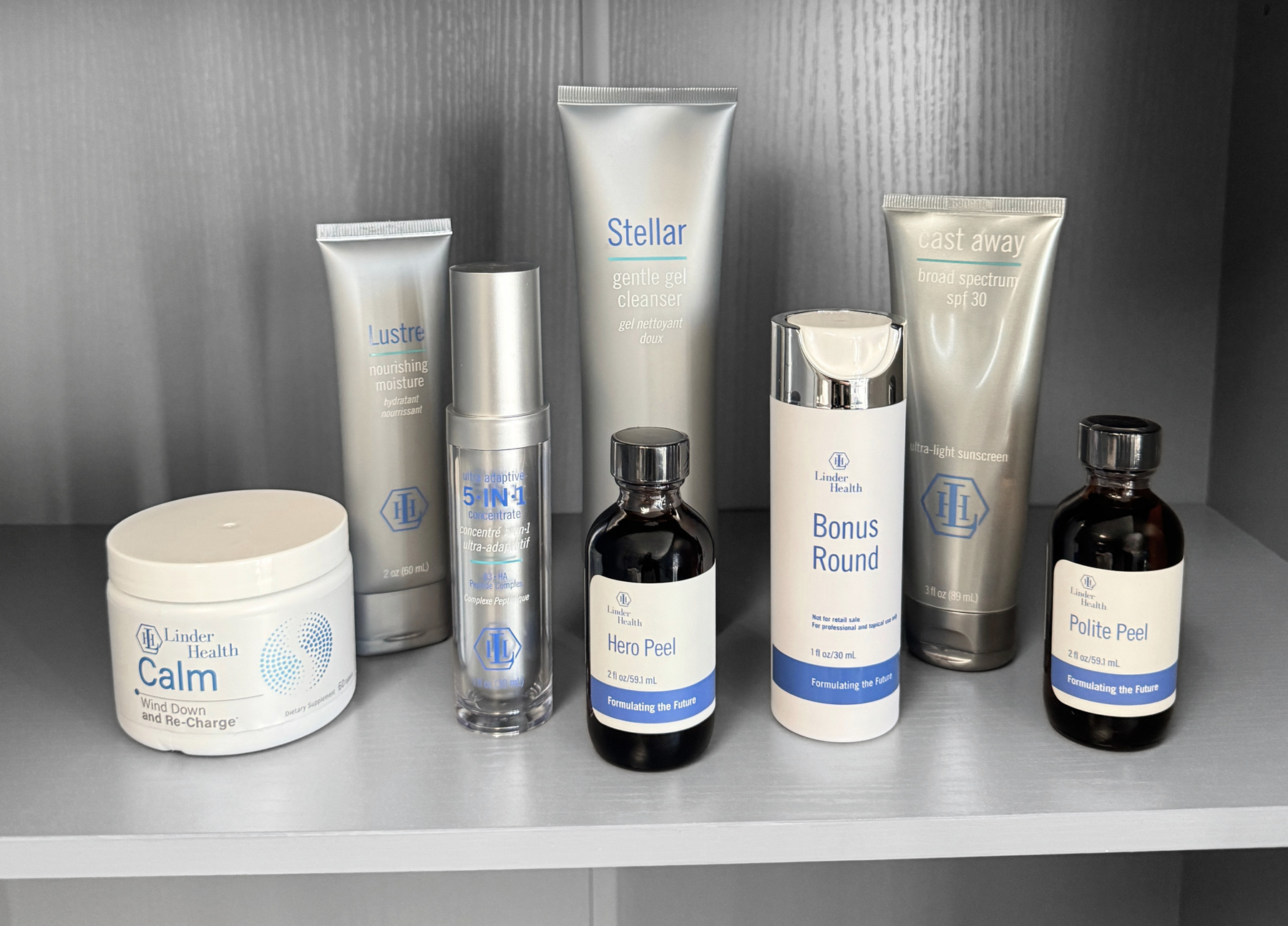
What I saw missing was a true bridge between procedures and skincare. There are excellent devices, and there are countless products, but very few formulations are designed specifically to support the skin after it has been intentionally stressed. That gap—between treatment and recovery—is where outcomes are either optimized or compromised. Linder Health was created to live in that space.

Many founders launch a brand once. You’ve chosen to do it again. What made this chapter necessary, and what did you want to do differently this time around?
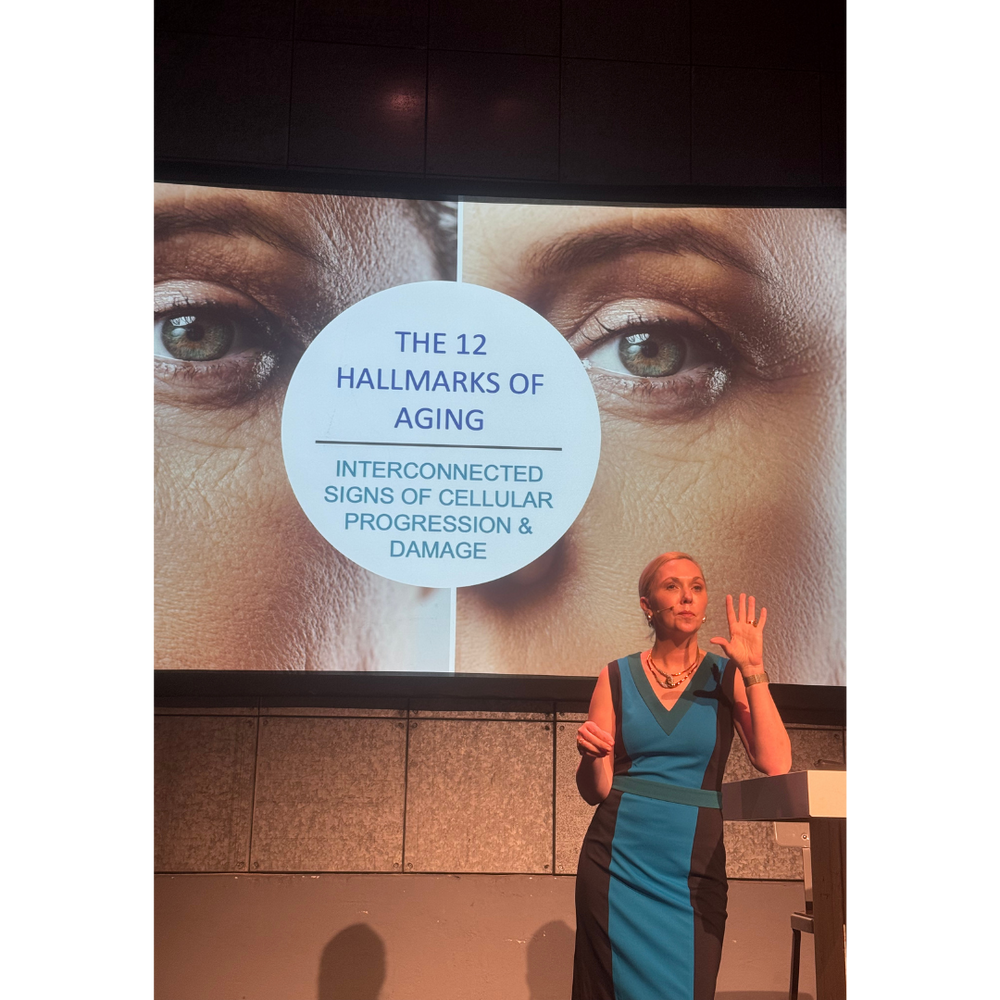
I didn’t set out to launch another brand. This really started during the pandemic, when I had the time to go deeper into the research—particularly around inflammation and the hallmarks of aging—and ask how that science actually applies to what I’ve always loved most in the treatment room, which is chemical peels.
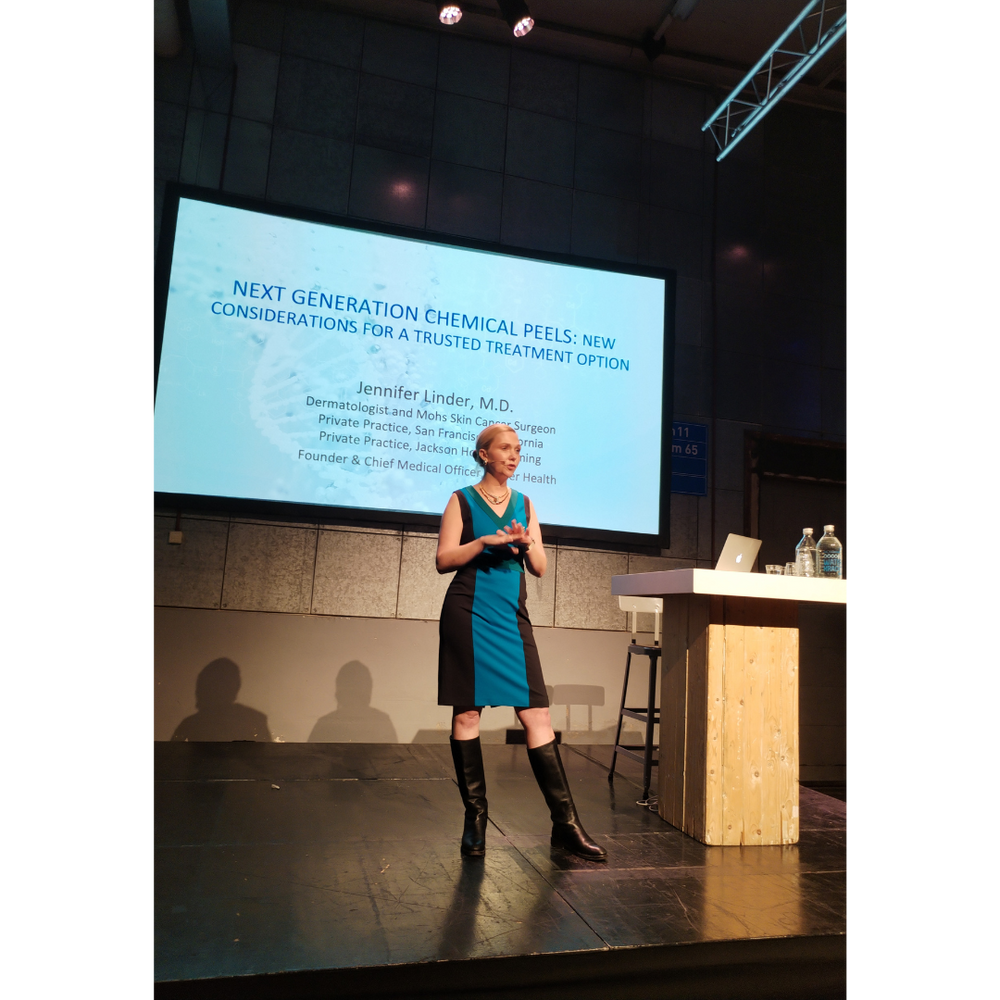
Chemical peels are, by definition, controlled injury. They work by creating a wound response that stimulates regeneration and remodeling. But as I was reading more about cellular senescence and chronic inflammation, I started to question whether the traditional approach—higher acid percentages, lower pH, more visible injury—was always aligned with what we now understand about aging biology.
We know that inflammation is a key driver of aging, closely tied to processes like extracellular matrix degradation, oxidative stress, and the accumulation of senescent cells . And there’s a growing body of thinking that excessive or repeated inflammation can actually reinforce that cycle rather than interrupt it.
So the question became: Is there a more modern way to approach peels? Can we still trigger regeneration—still get the benefits in terms of collagen stimulation, pigment improvement, and cellular turnover—but without amplifying unnecessary inflammation or barrier disruption?
That exploration is really what led to this chapter. I started reformulating peels first, then building the supporting products around them—because if you’re going to intentionally stimulate the skin, you also need to be equally thoughtful about how you calm it, repair it, and guide it back to homeostasis.
So this wasn’t about doing it again. It was about evolving the way we think about one of the most foundational treatments in aesthetics, through the lens of modern aging science.
Your philosophy has evolved around inflammation and skin trauma. How has that changed the way you treat patients?
It’s changed everything. We now understand that chronic, low-grade inflammation is a primary driver of aging. At the same time, many of our most effective treatments work by creating controlled injury. So the question becomes: how do we stimulate the skin without overwhelming it? I’m far more deliberate now. I look closely at a patient’s baseline inflammation, barrier function, and recovery capacity before deciding how aggressive to be. And I place much greater emphasis on calming, restoring, and supporting the skin between treatments.
Today’s clinics are built around combination treatments. How did that reality influence how you developed Linder Health?
Combination treatments were central to development. Skin is rarely exposed to just one modality anymore - it might be laser, followed by microneedling, followed by injectables. Each of those introduces a different type of stress. So the formulations had to be versatile enough to support multiple pathways of injury and recovery. That meant focusing heavily on inflammation modulation, hydration at a cellular level, and barrier repair - so no matter the combination, the skin is supported.


From your perspective, what separates practices that truly succeed today from those that struggle?
The practices that succeed understand restraint. They don’t chase every trend or over-treat their patients. They build trust by delivering consistent, thoughtful outcomes over time. They also educate—patients today want to understand why something is being done, not just what is being done. And importantly, successful practices see skincare as an extension of treatment, not an afterthought.
Regeneration and longevity are becoming widely used terms across the industry. What should clinics actually be looking for when evaluating new products or technologies in this space?
Clinics should look past the language and focus on mechanisms. What is the product or device actually doing at a cellular level? Is it reducing inflammatory burden? Is it supporting barrier integrity? Is it enhancing the skin’s ability to repair itself efficiently? Longevity isn’t about doing more—it’s about doing the right things, in the right sequence, and allowing the skin to recover fully. If a technology or formulation doesn’t respect that balance, it’s not truly supporting longevity.
When you think about the future of aesthetics, what are you paying closest attention to?
I’m watching how we can better quantify and manage inflammation over time. I think the future lies in more personalized treatment plans based on an individual’s inflammatory profile and recovery capacity. I’m also interested in how we can extend the life of results—not by increasing intensity, but by improving how the skin heals and maintains itself. Ultimately, the future of aesthetics will be less about dramatic intervention and more about intelligent, sustained skin health.