In Practice: Joshua Zeichner, MD, Director of Cosmetic and Clinical Research & Associate Professor of Dermatology, Mount Sinai Hospital

Dr. Joshua Zeichner is an Associate Professor and the Director of Cosmetic and Clinical Research in Dermatology at Mount Sinai Hospital in New York City. He is one of the country's key opinion leaders in medical and cosmetic dermatology. Dr. Zeichner is well published in the top peer-reviewed Dermatology journals. As an educator, he trains residents and medical students and regularly lectures to international audiences at the major Dermatology meetings. Dr. Zeichner is frequently called on by the media for his expert opinion, and he can be found quoted in national magazines and newspapers. Dr. Zeichner has consistently been voted by his peers to New York Magazine’s Best Doctors and New York City Super Doctors published in the New York Times Magazine, including recognitions in the 2026 issues.
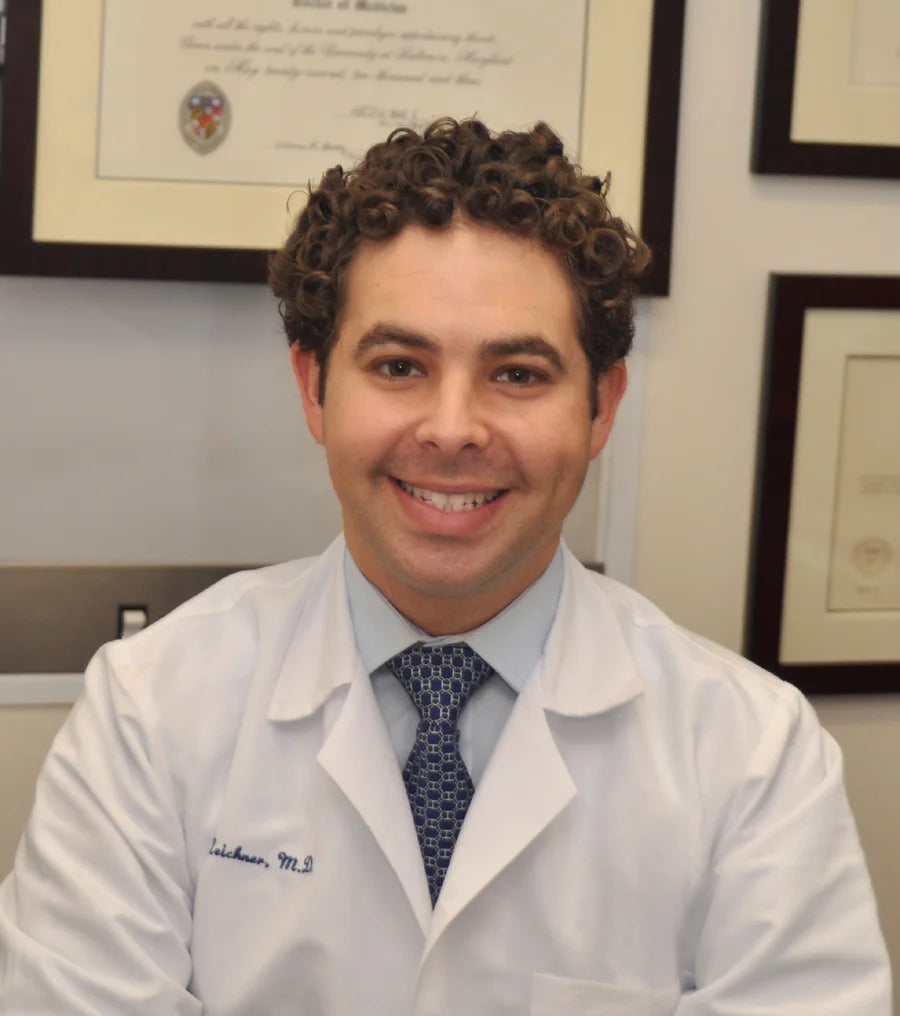
In Practice: Joshua Zeichner, MD, Director of Cosmetic and Clinical Research & Associate Professor of Dermatology, Mount Sinai Hospital

In practice, what do you actually spend the most time thinking about in your work?

I spend the most time in my practice thinking about how I can personalize treatment recommendations to patients’ individual needs. As I see it, the goal of Cosmetic Dermatology is to help patients look like the best versions of themselves. I want to provide natural results to get comments like “you look great” without giving away that they’ve had any work.  At the same time, I want to make sure that I’m recommending procedures that will give patients a significant return on their financial investment.

What’s one decision or shift you’ve made recently that’s had an outsized impact?

I have been suggesting patients get skin tightening procedures at earlier ages compared to the recommendations I made several years ago. Rather than trying to tighten loose skin, it’s better to prevent the laxity from developing to begin with.  By enhancing collagen production when skin cells are healthy and active, you can help maintain the strength of the skin and improve the trajectory of skin aging in general. 

What separates products you use from products you simply know about?

I look at skincare products in two different categories, those with tried and true ingredients, and those that are fads. Only a minority of fad ingredients withstand the test of time. If ingredients sound too good to be true, they usually are. While new ingredients are exciting, I’m very slow to adopt them into the recommendations I make for patients.  I look for data and a proven track record of efficacy before incorporating a specific ingredient or product into skincare regimen recommendation.

Which skincare products and treatments are foundational in your current regimen?

When it comes to designing a skin care, recommendation, I keep it simple and always based on science. The skin undergoes circadian rhythms, where certain activities occur in the morning and others in the evening. In addition to these cyclical patterns, the skin has different needs at different ages. Generally speaking, I look at the morning as a time of protection and prevention against environmental aggressors. The evening is a time of hydration and repair within these broad categories, I make specific product recommendations based on the age, needs, and personal preferences of the individual patient. I usually recommend an antioxidant serum and sunscreen in the morning, along with a collagen stimulating ingredient and a moisturizer at night.

What’s one thing in aesthetics you think is misunderstood or overcomplicated?

I think that sometimes patients expect results that are unattainable. You get meaningful results when you have consistency over time - consistency in your skin, care, routines, and consistency in your procedures. There’s no single treatment that’s going to be a magic bullet, and combining treatments that address the different aspects of skin aging is best. While there’s some people that are genetically blessed with exceptional skin, for the overwhelming majority of people it takes work.  

When you think about the future of aesthetics, what are you paying closest attention to?

There’s a lot going on right now in the area of regenerative medicine.  I’m excited to see what developments will come in enhancing our genetics as well as our epigenetics.  It’s not just our genes that matter, but how they are controlled. Helping to reprogram our skin cells may be the Holy Grail in enhancing our longevity.