In Practice: Melinda Anna Farina, Founder and CEO, Beauty Brokers Inc.

Melinda Anna Farina is the Founder and CEO of Beauty Brokers Inc., an internationally recognized aesthetic consulting firm dedicated to patient advocacy, education, and connecting patients with highly qualified plastic surgeons around the world. With more than three decades of experience in aesthetic medicine, she has built one of the industry’s most respected independent consulting companies, known for its commitment to ethics, transparency, and individualized patient care. Widely known as The Beauty Broker, Melinda has consulted on thousands of complex surgical cases, spoken at leading international conferences, and has been featured in publications including The New York Times, The Wall Street Journal, Forbes, and Vogue. She is a trusted advisor to patients, physicians, and industry leaders, recognized for her expertise in practice strategy, patient behavior, and the evolving landscape of aesthetic medicine. Her mission is simple: to elevate standards across the industry while helping patients make informed, confident decisions.
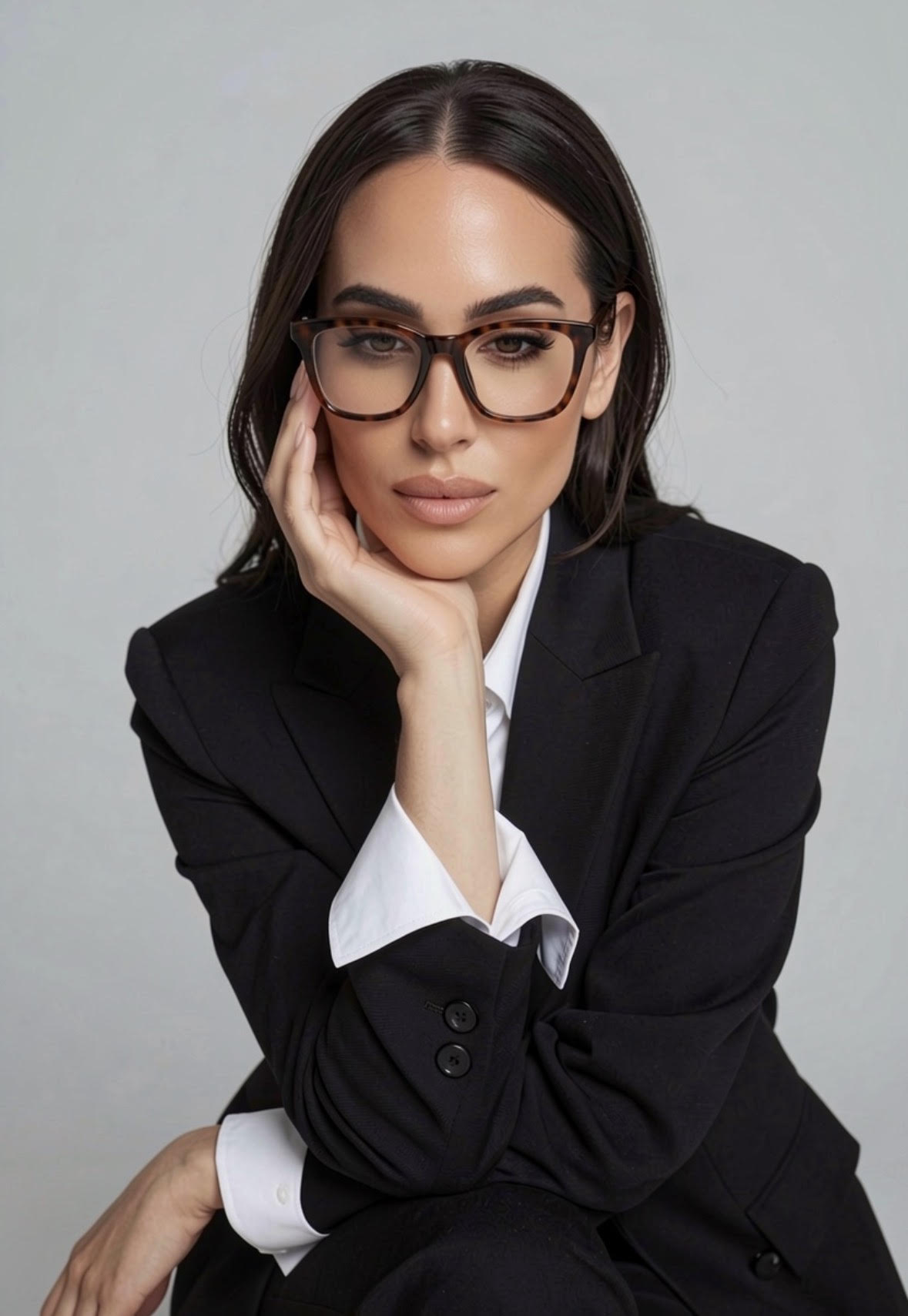
In Practice: Melinda Anna Farina, Founder and CEO, Beauty Brokers Inc.

What has been the most effective driver of growth for the practices you work with?

The practices that experience sustained growth are not necessarily the ones with the largest marketing budgets. They are the ones that consistently deliver exceptional patient outcomes and build trust at every touchpoint.

Today’s patients are incredibly sophisticated. They evaluate not only surgical results, but also consultation quality, communication, recovery support, responsiveness, and reputation. When a practice creates an outstanding patient experience from the first inquiry through long-term follow-up, referrals become organic and significantly more valuable than any paid advertising campaign.

Ultimately, reputation compounds. Exceptional outcomes, consistent patient care, and operational excellence remain the strongest growth engines in aesthetic medicine.

How has the “informed patient” changed the way practices need to position themselves?

Patients are arriving more educated than ever before—but not always better informed.

Many spend months consuming content across social media, online forums, AI platforms, podcasts, and review sites before ever scheduling a consultation. Practices can no longer assume they are introducing patients to procedures. Instead, they’re often helping patients separate credible information from misinformation.

The practices that stand out today position themselves as educators rather than sales organizations. Transparency, thoughtful communication, realistic expectations, and evidence-based guidance have become powerful differentiators. Patients are looking for trusted advisors, not simply providers.

What role does social media play in driving patient demand today?

Social media has become the front door to many aesthetic practices.

It creates awareness, establishes familiarity, and allows prospective patients to evaluate a surgeon’s philosophy, personality, consistency, and aesthetic style long before making contact.

That said, social media should support a practice’s reputation—not replace it. Beautiful content may generate attention, but long-term success still depends on clinical excellence, patient satisfaction, and credibility. The practices that convert the highest-quality patients use social media to educate, build trust, and showcase authentic outcomes rather than simply chasing virality.

And this is where routines get overcomplicated. I'm very into "skin-a-minimalism": less is more. Not less effort, less clutter. The best routine is usually the simplest one as long as it's built around the right formulas with the highest impact.

How do you see practices cutting through the noise in such a crowded market?

Authenticity has become one of the most valuable competitive advantages.

Many practices are producing nearly identical content, making it increasingly difficult for patients to distinguish one provider from another. The strongest brands communicate a clear philosophy, demonstrate consistency, and establish expertise within a defined area of excellence rather than trying to appeal to everyone.

Practices that invest in education, transparency, patient experience, and operational excellence create differentiation that competitors cannot easily replicate. In today’s market, trust has become a stronger differentiator than visibility alone.

How do you see the aesthetic practice model evolving over the next 3–5 years?

I believe the industry is entering a period of significant transformation.

Artificial intelligence will improve operational efficiency, patient communication, education, and data analysis, while technology will continue to streamline many aspects of the patient journey. However, as digital tools become more widespread, human expertise and clinical judgment will become even more valuable.

We’ll also see greater specialization. Rather than attempting to offer every procedure, many successful practices will become known for mastering specific areas of expertise. Patients are increasingly seeking specialists, not generalists.

Finally, reputation management, ethical marketing, transparency, and measurable patient outcomes will carry greater weight than follower counts or viral content. The practices that thrive over the next five years will combine advanced technology with exceptional patient care, strong clinical integrity, and a clearly defined brand built on trust.